






Contents
TL;DR:
For a balance of scenery and weather, consider March to May or September to November. Spring brings fresh greenery and possible blossoms, while autumn is known for buckwheat flowers and cooler temperatures. If golden rice terraces are your priority, plan a separate visit to Hoang Su Phi, which is outside the standard Ha Giang Loop route. June to August generally requires extra caution because heavier rainfall can affect visibility and road conditions.
| Season | What to Expect | Best For |
|---|---|---|
| Spring (March–May) | Fresh greenery, blossoms, variable fog | Spring scenery and milder daytime weather |
| Summer (June–August) | Lush landscapes, heavier rainfall | Flexible travelers prepared for changing conditions |
| Autumn (September–November) | Buckwheat flowers and seasonal scenery | Autumn colours and flower season |
| Winter (December–February) | Cold mornings and possible fog | Quieter travel when conditions permit |
Why Timing Matters for the Ha Giang Loop?
The Ha Giang Loop winds through the mountains of northern Vietnam, connecting places such as Quan Ba, Yen Minh, Dong Van, and Meo Vac. Along the way, you’ll encounter limestone peaks, remote villages, winding mountain passes, and viewpoints overlooking the Nho Que River.
The experience changes with the seasons. Spring brings fresh green landscapes and seasonal blossoms, while autumn offers a flower season and changing colours across the northern mountains. Summer can make the scenery especially lush, but heavier rain can leave roads slippery. Winter brings colder mornings and fog at higher elevations.
Timing matters because the weather affects more than your photos. Rain and fog can reduce visibility, while cold temperatures can make long days on the road uncomfortable. Choosing a favorable season helps with planning, but it never guarantees ideal riding conditions.
So yeah, timing matters big time.
When Is the Best Time to Do the Ha Giang Loop?
Spring (March to May): Green Valleys and Clearer Mountain Views
March to May is one of the best times to visit the Ha Giang Loop for spring scenery and milder daytime weather. Peach and plum blossoms may appear around the mountain villages in early spring, while the valleys gradually turn greener as the season progresses. The limestone peaks around Quan Ba and Yen Minh make a striking backdrop for the journey, especially on clear mornings.
March and April generally offer a more comfortable balance of sightseeing and riding conditions than the wetter summer months, although cold mornings and fog can still affect the higher passes. By May, the landscape becomes increasingly green as rainfall picks up, bringing a different atmosphere to the route.
Safety Reminder: Spring mornings can still bring fog to the mountain passes. If visibility drops, slow down only where it is safe to do so, maintain a generous following distance, and stop in a safe place if you can no longer see the road clearly.
Summer (June to August): Green Mountains, Moody Skies
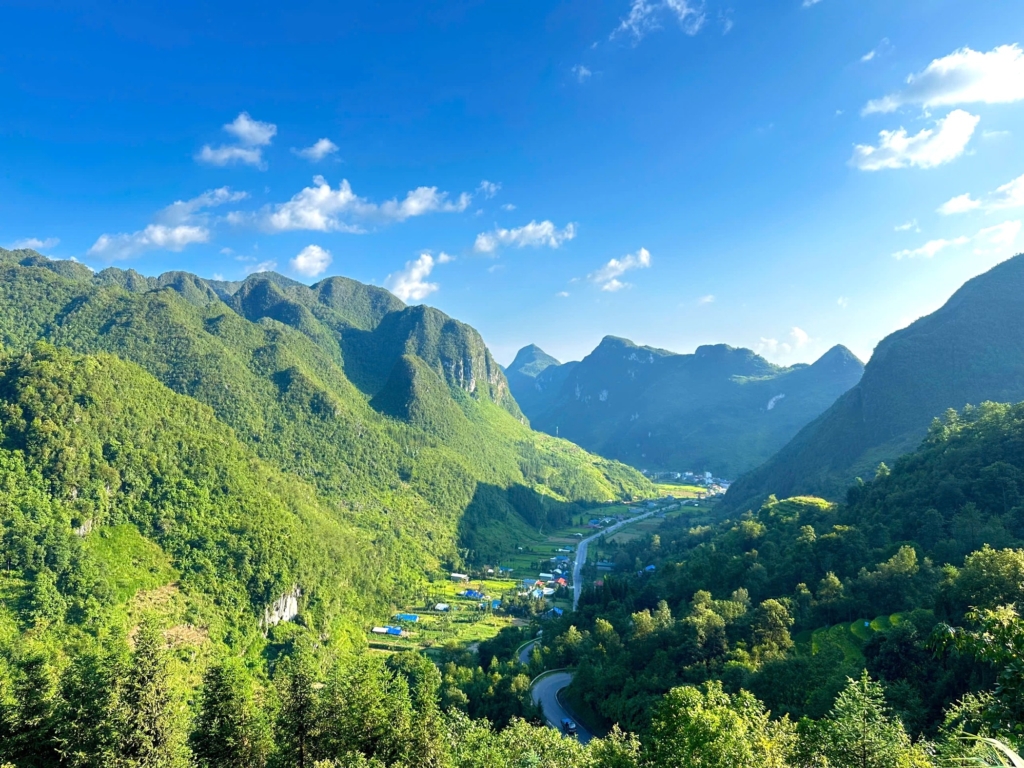
Summer paints the mountains around Ha Giang in deep greens, with rice fields and valleys looking especially vibrant after rainfall. But the same weather that transforms the landscape can make the Loop more challenging. Heavy downpours may leave mountain roads slippery, reduce visibility, and increase the risk of landslides.
June marks the start of a wetter stretch, with rainfall continuing through July and August. Around Ma Pi Leng Pass and the winding roads beyond Dong Van, rain can leave the surface slick, and fog can swallow the views. Some days call for a slower journey; others may require postponing a ride altogether.
Safety Reminder: After heavy rainfall, mountain roads may have loose gravel, muddy patches, or landslide debris, even after the rain stops. Check local road conditions before setting out, and postpone your ride if the route is unsafe.
Autumn (September to November): Flowers and Seasonal Scenery
Autumn (September to November) is one of the best times to do the Ha Giang Loop, especially if you want cooler weather, mountain scenery, and seasonal buckwheat flowers. September can still bring heavy rain, while October and November are generally the main months for buckwheat flower season across parts of Ha Giang Province.
The scenery around the Dong Van Karst Plateau, Sung La, and Lung Cu can be particularly appealing during this period. Cooler temperatures also make autumn a popular choice for exploring northern Vietnam. Daytime temperatures often range from around 18–25°C in early autumn, becoming cooler as the season progresses, although conditions vary with elevation and weather.
Golden rice terraces are a different seasonal highlight. For harvest scenery, late September to early October is generally a good window to investigate around Hoang Su Phi, which requires a separate detour from the standard Ha Giang Loop. Harvest dates depend on local growing conditions, so check with local sources before planning an additional trip.
Traveler tip: If buckwheat flowers are your priority, aim for October or November and check local bloom reports before departure. If you’re chasing golden rice terraces, investigate Hoang Su Phi separately and allow extra time rather than assuming the terraces are on your Loop itinerary.
Winter (December to February): The Quiet Quest
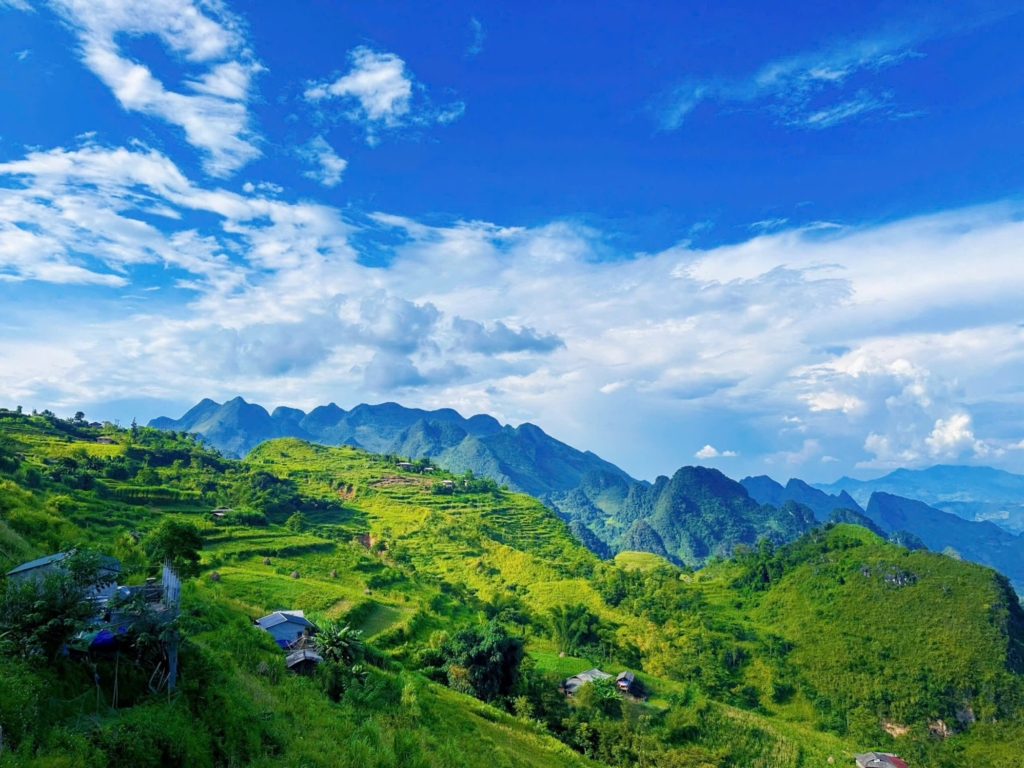
Winter changes the feel of the Ha Giang Loop. Daytime temperatures in Ha Giang City can sit around 15–20°C, while higher areas around Dong Van and Meo Vac may drop to approximately 5–14°C, particularly during cold spells. January is often the coldest month, and temperatures on exposed passes can feel even lower when you’re riding into the wind
What to pack for winter:
- Base layer: Thermal top to retain body heat.
- Mid-layer: Fleece or another insulating layer.
- Outer layer: Windproof jacket to protect against cold air while riding.
- Hands and legs: Warm gloves, long trousers, and warm socks.
- Extra layer: Keep a jacket accessible for early departures and exposed viewpoints.
Safety Reminder: If temperatures are low enough to leave your hands numb or affect your concentration, stop somewhere sheltered and warm up before continuing. Fog can also hide sharp bends and oncoming traffic, so postpone riding until visibility improves if you cannot see the road clearly.
Where to Book Your Ha Giang Loop Tour?
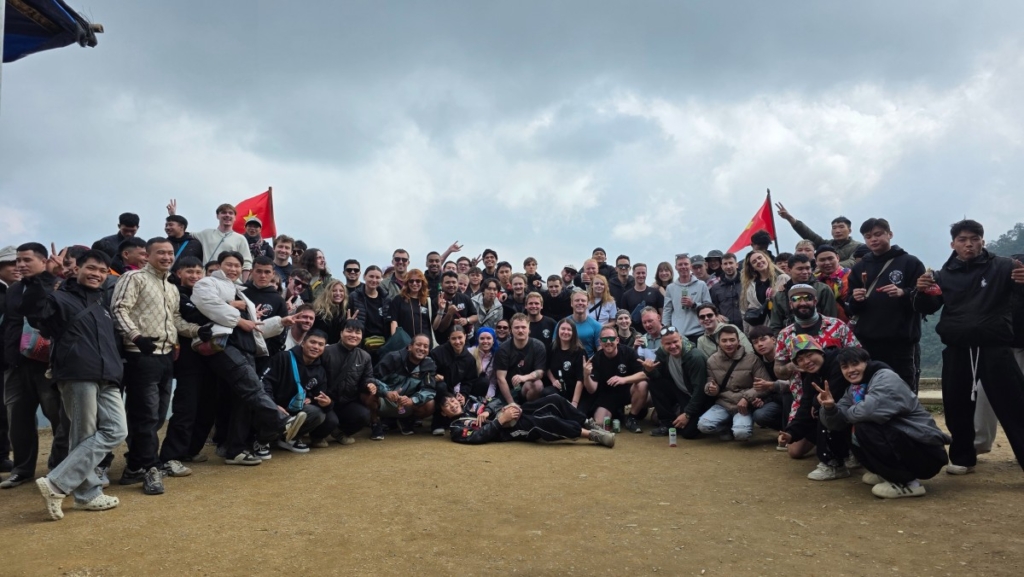
The best Ha Giang Loop stories usually involve more than the views. They’re the roadside stops that turn into photo sessions, the laughs shared with your riding group, and the feeling of taking on a mountain adventure together. But when you’re navigating steep passes and unpredictable weather, having the right support matters just as much as having fun.
If you want to experience the Loop with a crew, Mad Monkey Ha Giang Loop offers Easy Rider and self-riding options, with trips starting from $165 USD per person. Whichever you choose, you’ll stay with the group throughout the itinerary.
And while the views might tempt you to keep going, mountain roads demand good judgment. Heavy rain can make corners slippery, fog can hide bends and oncoming traffic, and fallen rocks or loose gravel can turn a scenic stretch hazardous. Listen carefully to the safety briefing, follow your tour leader’s guidance, and never push on when conditions aren’t safe.
Good to Know Before Doing the Ha Giang Loop
Before you hit the Ha Giang Loop, sort out the essentials, from getting to Ha Giang City to preparing for mountain roads, local customs, and changing weather.
- Getting there: The journey from Hanoi to Ha Giang City typically takes around 5–7 hours by bus or limousine van, depending on traffic and the service. Allow time to rest before riding.
- How many days: Plan for 3–4 days for the Loop, depending on your route, stops, and travel style.
- Permits and documents: Check current local entry, registration, and permit requirements before departure. Carry your passport and any required travel documents.
- Motorbike licence and insurance: Verify that your licence, international driving permit (where applicable), and insurance meet Vietnamese legal requirements. Don’t assume ordinary travel insurance covers motorbike riding.
- Easy Rider or self-riding: Consider your experience with mountain roads before choosing to ride yourself. If you self-ride, confirm the legal requirements and what support is available.
- What to pack: Bring layers, a waterproof jacket, comfortable walking shoes, sunscreen, and a small day bag. Add warm gloves and insulating layers in winter.
- Cash and connectivity: Carry Vietnamese dong for small purchases in villages, and download offline maps before leaving areas with reliable mobile coverage.
- Booking ahead: October and November can be busy during buckwheat flower season. Plan ahead around Tet, Vietnam’s Lunar New Year, when transport and business hours may change.
- Respect local communities: Ask before photographing residents, dress appropriately when visiting religious or cultural sites, and follow local guidance in villages and border areas.
- Stay flexible: Rain, fog, roadworks, and landslides can affect travel times. Leave room for changes rather than rushing to meet a fixed schedule.
Traveler tip: Don’t treat the estimated driving time between stops as a deadline. Mountain roads, viewpoints, and changing conditions can make the journey take longer than expected.
Ready to ride?
Pack your layers, charge your camera, and give yourself enough time to enjoy the journey. The Ha Giang Loop is all winding mountain roads, quiet villages, roadside coffee stops, and views that make you pull over just one more time.
Choose your season wisely, stay flexible when the weather changes, and remember: the best moments often happen between the stops on your map.
FAQs: About the Best Time to Do the Ha Giang Loop
March, April, October, and November are good months to consider for the Ha Giang Loop. March and April bring spring blossoms and greener valleys, while October and November are popular for buckwheat flowers around parts of the Dong Van Karst Plateau. Weather varies each year, so choose your dates based on the scenery you want and check local conditions before setting off.
October is generally a better choice if you’re hoping to see buckwheat flowers and enjoy cooler autumn weather. September can offer lush scenery and early autumn colours, but rainfall may still affect road conditions. Neither month guarantees clear skies, so leave some flexibility in your itinerary.
Buckwheat flowers typically bloom from October to November in parts of the Dong Van Karst Plateau, including areas around Sung La. The exact timing depends on local growing conditions, so check recent updates before planning your trip around the blooms.
The Loop can be more challenging during the rainy season, generally from June to August, when heavy rain can make roads slippery and increase the risk of landslides. Thick fog, loose gravel, fallen rocks, and debris can also make mountain roads hazardous. If you’re travelling with a tour, follow your leader’s guidance and don’t continue when conditions are unsafe.
Allow three to four days for a typical Ha Giang Loop trip, depending on your itinerary and pace. Mad Monkey Ha Giang Loop offers 3D2N and 4D3N options with different itineraries, so compare the current inclusions and route details before choosing.
An Easy Rider experience lets you enjoy the scenery as a passenger while an experienced rider handles the motorbike. Self-riding gives you more direct control of the bike but requires the appropriate riding experience, licence, and legal documentation. With Mad Monkey, self-riders remain with the group and follow its itinerary rather than navigating the route independently. Check the current tour requirements before booking.
Pin Now. Read Later.